When was the last time you heard a product pitch that included words like paradigm shift or disruptive or even game changing? Odds are good that covers the majority of them. Marketing teams love to sell people on the idea of radically shifting the way that they do something or revolutionizing an industry. How often do you feel that companies make something that accomplishes the goal of their marketing hype? Once a year? Once a decade? Of the things that really have changed the world, did they do it with a big splash? Or was it more of a gradual change?
Repetition and Routine
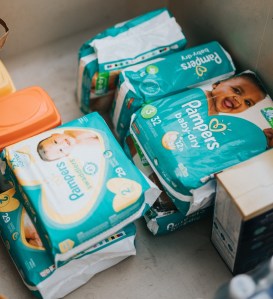
When children are small they are practically helpless. They need to be fed and held and have their diapers changed. Until they are old enough to move and have the motor functions to feed themselves they require constant care. In fact, potty training is usually one of the last things on that list above. Kids can feed themselves and walk places and still be wearing diapers. It’s just one of those things that we do as parents.
Yet, changing diapers represents a task that we usually have no issue with. Sure it’s not the most glamorous work. But it’s necessary. Children can’t do it themselves. Maybe they can take off a wet or soiled diaper on their own (my kids did on occasion), but they can’t quite put one on. We encourage them to conform to the societal norm of using a bathroom instead of using a disposable diaper.
I use changing diapers as a metaphor for something we do regularly that is thankless but necessary. Kids never thank you for changing their diapers when they get older but it needs to be done. You may not think it’s a life-changing experience at the time but you know it’s one small part of what needs to happen to make them better as people later on. As a company that is trying to change people’s lives with the products you’re selling you often aim toward the sky. You want a utopia of flying cars and automated homes and AI-driven everything. But do your customers want that?
Your customers don’t want self-driving cars. They want to not have to spend their time driving. They don’t want AI-powered dinner ordering. They want to not have to make dinner decisions. Your customers don’t want a magical dashboard that makes automatic configuration changes for them. They want to operate their systems without constant attention to every little detail to keep them from falling apart. They don’t want revolutionary. They want relief.
Aim Small, Miss Small
If your first thought when building a product is “we’re going to change the world!” then you need to stop back because you missed the target. One of smartest things I overheard regarding startups was “Don’t solve a problem. Solve a problem someone has every day.” People are so focused on making an impact a revolutionizing the world they often miss the opportunity to do something that really does change things by simply solving common problems that happen all the time.
When you go back to your vision, think about changing diapers, not lives. Think about solving the problems people have every day. Take network automation, for example. You’re not going to create a paradigm shifting organizational restructuring in a day or a week or even a year. What you can do is automate things like password changes or switch deployments. You can solve that everyday problem so there is more time to work on other things. You can remove errors and create responsiveness where it didn’t exist before. Sure, your Ansible script that provisions a switch isn’t going to get your name etched in stone in Silicon Valley. But it can lead to changes in the organization that create efficiency and make your team happier and more focused on solving other hard problems.
Likewise, if you tell someone your product is going to change their life they will probably laugh at you or shake their head in disbelief. After all, everything promises to change their lives. However, if you tell them your product will solve a specific issue they have then they are very likely to take you up on it. Your target market will identify what you do and respond positively. Rather than trying to boil an ocean with hype you’re providing clear messaging on what you can do and how it can help. People want that clarity over hype.
Tom’s Take
If you try to promise me a life-changing experience with an app or a piece of hardware I’m going to make sure you understand what that means and what it takes. On the other hand, if you come to me with a proposal to change something I dislike doing every day or simplifying it in some way I’m more likely to listen to your pitch. Changing lives is hard. Changing diapers is not fun but it is necessary and repetitive. Focus on the small things and make those easier to do before you take on the rest of the world. Your customers will be happier and you will too.


 The Networking Nerd