Is Cisco Live Still The Place To Be

You may recall from my post about Cisco Live last year that I talked about legacy and passing the torch to a new generation of people being active at the event. It was a moment where I was happy for what was occurring and thrilled to see the continuation of the community. It’s now a year later and I have a very different outlook on Cisco Live that isn’t nearly as rosy. Which is why I asked the question in the post title.

Destination Unknown

If you are a Cisco customer or partner that wants the latest news about Cisco products and services then Cisco Live is the place you need to be to get them. Sure, you can watch the keynotes virtually and read all the press releases online. However, if you really want to get up close and personal with the technology you have to be there. After all, it was this need to be in-person that inspired our community in the first place. We showed up. We met up. And we made the event even better because we were there.

That was then. 2025 is a different story. The first hints about the situation came when I was walking around on Sunday trying to find the Social Media hub. After all, that’s where the opening meetup usually happens. I went to the area where it was in 2019 only to be greeted by the Social Lounge:

Not very…hubby…is it? As my friend Jordan Martin pointed it, it’s hard to be social with each other when all of the furniture is arranged facing outwards. I found out later that opening meetup was being held in the Cisco NetVet Lounge and not the hub. That’s because the Social Media Hub no longer existed. I should have known that was likely to happen when my friend Kathleen Mudge was let go from her position last year. She had done more than anyone to bring together the social aspects of Cisco Live. She fought for the space and the things that went along with it. The Social Media Hub was present at Cisco Live Europe in February but gone in the US.

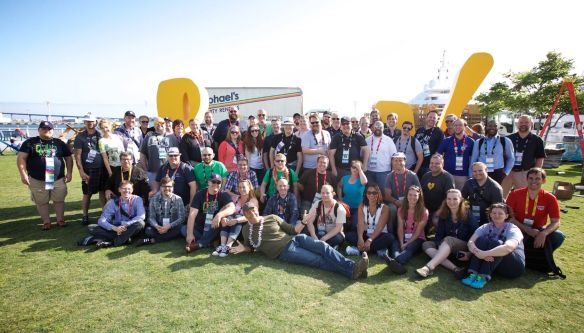
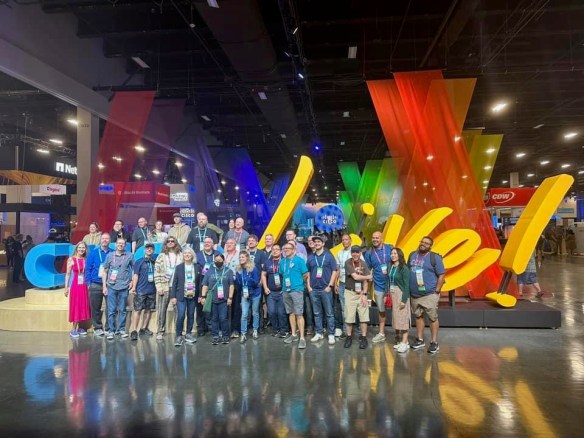
The result? A muted meetup. People arrived at 5:00. They waited around for half an hour to take the opening meetup picture. And most of them were gone by 5:45. The schedule said the meetup was supposed to last until 6:30. A few of us looked around and realized that not only was the meetup short this year but that we wouldn’t be able to get back into the NetVet Lounge again because of our Explorer passes and lack of standing. Oh well, time to do something different.

The Monday Banter and Beers party with the Cisco Champions and Tech Field Day delegates was much more what I would have expected an opening meetup to be. Lots of friends chatting and enjoying themselves. Meeting new people. We even closed down the party and kept going. I was able to talk to the people that ran the Cisco Insiders program and told them my feelings on that meetup versus this one. I knew that something felt off but I couldn’t quite put my finger on it.

The End of the Road?

Fast forward to Thursday afternoon. We had a tradition by now. We go to the closing celebrity keynote. We laugh at the jokes. Then we retire to the social media hub for the closing tweetup until it’s time to take the big sign picture. Then we stay in the hub until they start carrying off the furniture. It’s simple but it works.

This year? No closing keynote. No hub. No sign picture either. We camped out on some couches by the top of the escalators until we got bored and left. No camaraderie as in years past. Aside from the few of us there it really felt like we’d missed closing time somehow. In fact, this was the best picture of the sign I saw. Completely empty.

Part of me is disappointed. I understand that social media has changed for the worse in the past couple of years. It feels like the community that we built on Twitter died when the platform changed radically from what it was into whatever it is now. I’m almost never on it. I spend more of my time on BlueSky now. But the wholesale retreat from all things social felt jarring this year. In twelve months we went from optimistic about the future of the social community to being shocked at the virtual disappearance of it for anyone not directly tied into the success over the years. Honestly, if it wasn’t for us keeping things alive this year I doubt anyone would have realized it at all.

Some of my best friends have come from the social media community at Cisco Live. We talk daily. We reminisce about The Great Beanbag Heist and the Red Bull Incident. We try to figure out how many times Weezer has played and which stadium sounded the best. We groan about going back to Las Vegas for the next few years because we have to balance the ease of logistics with the neon and the heat. But we do it together. We hang out together. We plan together. Those who make it have the fun for those that can’t and the ones that aren’t there swear they’ll be there again next year. We will endure.

What worries me the most is the subtle shift in what this represents. Our social community helped grow into the Insider programs Cisco has today. Our group helped convince people to support Cisco and adopt their solutions. Cisco worked with us to get more people engaged. And now? It feels like we were an afterthought in 2025. Worse still, the focus has shifted. Customers aren’t necessarily driving product direction. Who is Cisco listening to? The people with the money? Or the people wanting to make the money? I can’t honestly answer right now. I’m sure an LLM could help me figure it out but that’s an entirely different story.


Tom’s Take

Cisco Live felt different this year for all the wrong reasons. Things have shifted. It’s not that social isn’t a component of things. It’s that social was practically absent and no one noticed. Many of us are going to continue to do the things we do because we’ve been doing them too long now not to. Maybe that means commandeering couches and holding our own parties. It could mean our group is going to be less visible. But what matters is that we are going to continue to enjoy the event the way we do. Imploding platforms don’t matter. Designated spaces don’t matter. People matter. They always will. And the people are greater than everything.

My Belated Review of Cisco Live 2023

It’s been a couple of weeks since Cisco Live US 2023 and I’m just now getting around to writing about it. I was thrilled to attend my 18th Cisco Live and it was just the thing I needed to reconnect with the community. The landscape of Cisco Live looks a little different than it has in years past. There are some challenges that are rising that need to be studied and understood before they become bigger than the event itself.

Showstopping Reveals? Or Consistent Improvement?

What was the big announcement from Cisco this year? What was the thing that was said on stage that stopped the presses and got people chattering? Was it a switch? A firewall? Was it a revolutionary new AI platform? Or a stable IP connection to Mars? Do you even know? Or was it more of a discussion of general topics with some technologies brought up alongside them?

In the last few years you may have noticed that the number of huge big announcements coinciding with the big yearly conferences has come down a bit. Rather than having some big news drop the morning of the keynote the big reveals are being given their own time to shine instead. Rather than piling up tons of news of acquisitions or new product releases and watching them all get lost in the shuffle of fanfare they’re now being spaced out or bunched up at the end of quarters instead.

The big keynotes are instead being used to push initiatives. Rather than talking products the companies are talking strategies. Things like sustainability and outreach replace speeds and feeds. The goal isn’t to show off something shiny but instead to show off what the goal is to utilize the new products. Those kinds of announcements tend to play better with the press and analysts as well as the investors.

Does that mean that we’re never going to see another big announcement during an event keynote? No. What it does mean is that you shouldn’t expect to see groundbreaking shifts happening during those discussions. Steady and predictable is what the investors like. And during those keynotes that’s what you’re going to see for the most part.

Community Marches On

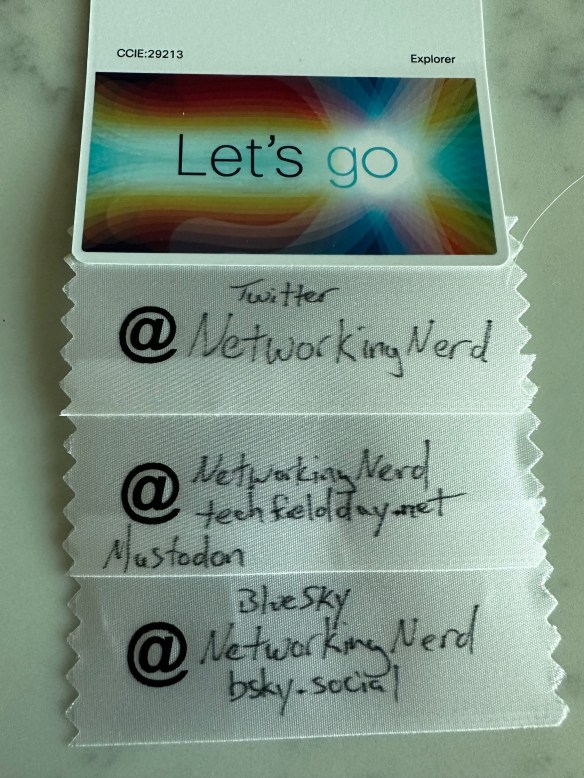
Social media sure has been fun for the past few months wouldn’t you say? The decline of Twitter, the rise of Mastodon and BlueSky, and even more craziness all over the place. Proof? Check out my badge from Cisco Live this year:

Yes, I needed all of those flags to show people where I was posting things to social media. And keeping track of all of the communities can be tiring. Some people still use Twitter because it’s there. Some people have embraced the Fediverse and deleted Twitter altogether. Others are trying out BlueSky and finding their groove again. And that doesn’t even discuss the number of people that are embracing video platforms or other means of posting. It is a certainty that the former king of the hill is rolling down very quickly in the face of so many other options.

One thing that I loved is that the community around Cisco Live has endured through so much upheaval. As soon as we arrived on site it was just like old times. People coordinated hangouts and invited friends all over. Parties were held. Introductions were made. And people caught up as if they hadn’t seen each other in forever. It made me happy to see that the impending collapse of a social platform didn’t affect the people that used it to build a great group.

Another thing that I realized when I got to the event was that this was the tenth anniversary of the Cisco Live Social Media Hub. I can still vividly remember when I walked into the convention center in Orlando in 2013 to find this brand new area dedicated for us to hang out and enjoy a little spotlight. Over the years the hub has grown from just a few tables and some laptops to an entire control center that serves as a central meeting location for folks as well as a set for some creative content to be made. I remember on more than one occasion seeing folks running around staging shots for a TikTok video and seeing lots of extra content being posted from everywhere. It’s good when you don’t have to make your own little space.


Tom’s Take

What does the future of Cisco Live look like? Is it going to continue to be a huge draw for people to come and enjoy the community? Is Cisco going to keep releasing new products and making this a destination for networking professionals? Given the number of attendees increased again this year I’d say that there is definitely a desire for people to attend conferences in person again. Given that the community has continued to persevere through all manner of challenges I’d say they’re also here to stay as well. All in all, I’m glad to see Cisco Live has continued to see success. As long as we temper our expectations for what the conference will be in the future and continue to keep the community alive then I don’t see any challenges that can’t be overcome.

Mastodon Needs More Brand Support

As much as I want to move over to Mastodon full time, there’s one thing I feel that is massively holding it back. Yes, you can laud the big things about federations and freedom as much as you want. However, one thing I’ve seen hanging out in the fringes of the Fediverse that will ultimately hold Mastodon back is the hostility toward brands.

Welcoming The Crowd

If you’re already up in arms because of that opening, ask yourself why. What is it about a brand that has you upset? Don’t they have the same right to share on the platform as the rest of us? I will admit that not every person on Mastodon has this outward hostility toward companies. However I can also sense this feeling that brands don’t belong.

It reminds me a lot of the thinly veiled distaste for companies that some Linux proponents have. The “get your dirty binary drivers out of my pristine kernel” crowd. The ones that want the brands to bend to their will and only do things the way they want. If you can’t provide us the drivers and software for free with full code support for us to hack as much as we want then we don’t want you around.

Apply that kind of mentality to brands venturing into the Fediverse. Do you want them to share their message? Share links to content or help people join webinars to learn more about the solutions? Or do you only want the interns and social media professionals to be their authentic selves and pretend they aren’t working for a bigger company?

The fact is that in order to get people to come to Mastodon to consume content you’re going to need more than highly motivated people. You’re going to need people that are focused on sharing a message. You’re really going to want those that are focused on outreach instead of just sharing random things. Does that sound a lot like the early days of Twitter to you? Not much broadcast but lots of meaningless status updates.

That’s the biggest part of what’s holding Mastodon back. There’s no content. Yes, there’s a lot of sharing. There’s lots of blog posts or people clipping articles to put them out there for people to read. But it’s scattered and somewhat unsupported. There’s no driving force to get people to click through to sites with deeper information or other things that brands do to support campaigns.


Tom’s Take

You’re going to disagree with me and I don’t blame you one bit. You may not like my idea about getting more brand support on Mastodon but you can’t deny that the platform needs users with experience to grow things. And if you keep up the hostility you’re going to find people choosing to stay on platforms that support them instead of wading into the pool where they feel unwelcome.

Consuming Content the Way You Want

One of the true hidden gems of being a part of a big community is the ability to discuss ideas and see different perspectives. It’s one of the reasons why I enjoy working at Tech Field Day and why I’m lamenting the death spiral of Twitter. My move to Mastodon is picking up steam and I’m slowly replicating the way that I consume content and interact there but it’s very much the same way I felt about Twitter thirteen years ago. There’s promise but it needs work.

As I thought about my journey with social media and discussed it with people in the community I realized that a large part of what has me so frustrated is the way in which my experience has been co-opted into a kind of performative mess. Social media is becoming less about idea exchange and more about broadcast.

Give and Take

When I first started out on Twitter I could post things that were interesting to me. I could craft the way I posted those short updates. Did I want to be factual and dry? Or should I be more humorous and snarky? I crafted my own voice as I shared with others. My community grew organically. People that were interested in what I had to say joined up. Others chose to stick with their own circles. The key is that I was allowed to develop what I wanted to present to those around me.

As time went on I realized that I was an aberration in the grand scheme of Twitter. I made content. I offered opinions and analysis. I was a power user. Twitter wasn’t filled with power users. It was filled with passive consumers of content. Twitter wasn’t overly concerned with enabling features that allowed users like me to have an easier time. Instead, it was focused on delivering content to the passive audience. Content that Twitter determined was either interesting enough to keep users coming back to the service or generated enough revenue to keep the lights on.

That shift happens in pretty much every social platform that I’ve been a part of. Facebook moved from reading through other people’s status updates about their dogs or their lunch and into a parade of short form videos about craft projects or memes about Star Wars. Every interaction with those posts just enhanced the algorithm to show me more of them. Facebook only shoves more of what you see into your face. It doesn’t take what you create and build from there.

The algorithms that run these services now don’t care about you. They don’t facilitate the discussions and information exchange that make us all better. Instead, they feed us mindless interaction. They give us 60-word posts about a topic with vapid insights or any one of a number of endless popcorn videos about “life hacks” or people having accidents or, worse yet, very clever advertising that looks like a random person posting about how amazing a t-shirt is.

Does It Ad Up?

If you’re thinking to yourself this is starting to sound a lot like television advertising, you’re not far off the mark. The explosion of content that has been pushed in front of us is all about the advertising. It’s either brands that are looking to have users buy their product or service or it’s services looking to gain tons of users for other reasons.The advertising dollar rules all now.

This isn’t a new thing. Anyone that tries to tell you that invasive advertising is a modern construct has never opened up a copy of Computer Shopper magazine from the 90s or enjoyed hearing the host of a 60s game show shilling for Lucky Strike cigarettes. Advertising has always been a huge part of the content that we consume.

Modern YouTube videos have pre-roll ads and breaks in the middle for more ads. Podcasts have one or two ad reads, either by the hosts or through a slick, produced read. For a society that hates advertising we sure don’t mind taking money from them when they want to place an ad in the content we’re creating. Yet unless we’re willing to bankroll our own platforms completely we’re stuck with the way that those platforms make money.

This all comes together in an insidious way. The algorithms show us things out of order because they want to grab our attention. The system wants to weave in content we might enjoy along with ads that pay for the platform alongside of the content we actually want to see. Unlike broadcast television, which has specific rules about advertising, these systems can flood us with content that is designed to make us stick around or pay for something that someone wanted us to buy.

At no point in that whole process did we see highlighting of blog posts (unless they were boosted with ads) or bringing conversations to the top of the feed because we’ve interacted with those people. Power users and non-sponsored content creators are a drag on the system. Because they’re not interesting enough to draw in the regular users, unless they’re famous, and they don’t pay the platform to prioritize that content.

As the social network matures and relies less and less on users to create the interactions that sustains the user base it flips the model to be more focused on providing for the brands that pay to keep the lights on and the popcorn-style content that keeps the users hanging around. That’s the ultimate reason why the twilight of social media platforms feels so wasteful. What was once a place to grow and expand your horizons becomes the same mindless drivel that we see on TV. A late-stage social network is practically indistinguishable from what The History Channel has turned into.


Tom’s Take

I want Mastodon to succeed. I want the idea exchange to return. There are many on the platform right now that are hostile to brands because they worry about the inevitable slide into the advertising model. That doesn’t happen because of the brands themselves. The move happens when users grow and the platform needs to keep them around. When the costs of running the infrastructure grow past the ability of the users to support it. Here’s hoping the idea exchange and learning continue to be the primary focus for the time being. At least until the next new things comes along.

Controlling Your View of the World

Straw Bales on Hill Landscape, Tuscany, Italy

As I’m writing this it looks like Twitter has made some changes to the way that third-party clients interact with service. My favorite client, Tweetbot, is locked out right now. The situation is still developing but it’s not looking pretty for anyone using anything other than the web interface. While I will definitely miss the way I use Tweetbot I think it’s the kick I needed to move away from Twitter more than before.

A Window on the World

The apps that we use to consume and create content are the way that we view things. Maybe you prefer a webpage over an app or the way that one client displays things over another but your entire view is based on those preferences. If the way you consume your media changes your outlook on it changes too.

I didn’t always use Tweetbot to view Twitter. I tried using the standard app for a long time. It wasn’t until the infamous “Dickbar” incident back in 2011 that I broke away for something that wasn’t so slavishly dependent on ads. The trending topic bar might not have been specifically for ads at the time but the writing on the wall was there. The way I chose to view my content wasn’t compatible with the way that the service wanted to monetize it.

Fast forward to today. Instagram doesn’t show you time sequence posts. Neither does Facebook. Twitter now defaults to an algorithmic timeline. Apps like TikTok are built on their algorithms. It’s all a way to show you things the system thinks you want to see with a sprinkling of ads mixed in whenever they want to show them to you. Could you imagine a TV channel where the ads were just thrown in to the show whenever they wanted you to see one as opposed to more of a standard time? You probably can imagine because that’s what it feels like to watch platforms like Youtube.

Platforms cost money to operate. That fact isn’t lost on me. What is annoying is that trying to change the way I access the platform in order to serve more ads is going to cause more damage in the long run. Given the choice between using the web version of Twitter and just not using it I’m more inclined to the latter. I want a timeline that shows me tweets in chronological order without the need to change to that format every time I open the page. I want to see what I want to see without being forced to view things that don’t interest me. Forcing me to use the web app to see ads is almost as bad as forcing me to follow people that you think are interesting that I have no desire to interact with.

The Only Winning Move

I’m more than a passive participant in services like Twitter. I create content and use them to share it. I participate actively. And I don’t like the way I’m being forced to play.

I started a Mastodon account many years ago the last time Twitter looked like it was making changes. In the past few months I’ve migrated it to a new profile. The Mastodon interface has robust apps and a great way to interact with people. It may not have the numbers that Twitter does right now but it won’t take long for a lot of the best creators to go there instead.

More importantly, choosing an open platform over a monetized nightmare gives me hope that the real value of what we do on the Internet isn’t selling ads. It’s creating valuable things that people enjoy and sharing them with a receptive audience. That may not be the millions of people on Twitter right this minute but those millions of people are about to find out what it feels like when the best reasons to be on a platform are gone.


Tom’s Take

I want to choose how I see the world, not how someone wants me to see it. I want to decide how I share what I’ve made with people and when they see it, not have it placed behind other things a software function decides are more likely to be clicked. If the future of social media is endless ads and trickery designed to make me spend more time fighting through the timeline instead of consuming it then I guess my view of the world is outdated and needs to change. But it will change on my terms.

Thoughts on Cisco Live 2015

Cisco Live 2015 Twitter Pic

We’ve secretly replaced Tom with Mike Rowe. Let’s see if anyone notices…

Cisco Live 2015 is in the books. A great return to San Diego. A farewell from John Chambers. A greeting from Chuck Robbins (@ChuckRobbins). And a few other things.

The Community is Strong, But Concerned

The absolute best part of Cisco Live is the community that has grown from the social media attendees. More than once I heard during the week “I can’t believe this used to be 20-30 people!”. The social community continues to grow and change. Some people move on. Others return from absence. Still others are coming for the first time.

The Cisco Live social community is as inclusive as any I have seen. From the Sunday night Tweetup to the various interactions throughout the week, I’m proud to be a part of a community that strives to make everyone feel like they are part of a greater whole. I met so many new people this year and marveled at the way the Social Media Hub and Meetup Area were both packed at all hours of the day.

That being said, the community does have some concerns. Some of them are around institutionalized community. There was worry that bringing so many people into the Champions community threatened to marginalize the organic community that had grown up in the past six years. While some of that worry was quieted by the end of the show, I think the major concerns are still present and valid to a certain degree. I think a discussion about the direction of the Champion program and how it will interact with other organic communities is definitely in order sooner rather than later.

Gamification Continues, And I’m Not A Fan

Many of the activities at Cisco Live revovled around prizes and giveaways for interaction. As we’ve seen throughout the years, any time a prize is awarded for a game there is going to be some trying to work the system. I even mentioned it here:

I’m all for having fun. But the reward for a well-played game should be in the game itself. When things have to be modified and changed and curated to ensure no one is taking advantage, it stops being fun and starts being a competition. Competitions cause hurt feelings and bad blood. I think it’s time to look at what the result of this gamification is and whether it’s worth it.

Power Transitions And Telling The Story Right

As expected, John Chambers gave his farewell as CEO and introduced Chuck Robbins to the Cisco Live community. By all accounts, it was an orderly transfer of power and a great way to reassure the investors and press that things are going to proceed as usual. I was a bit interested in the talk from Chambers about how this transition plan has been in place for at least ten months. Given the discussion in the tech press (and more than a couple private comments), the succession wasn’t a smooth as John lets on. Maybe it’s better that the general Cisco public not know how crazy the behind-the-scenes politics really were.

Chuck finds himself in a very precarious position. He’s the person that follows the legend. Love him or hate him, Chambers has been the face of Cisco forever. He is the legend in the networking community. How do you step into his shoes? It’s better that John stepped down on his own terms instead of being forced out by the board. Chuck has also done a great job of rolling out his executive team and making some smart moves to solidify his position at the top.

The key is going to be how Chuck decides to solidify the businesses inside of Cisco. Things that were critical even two years ago are shrinking in the face of market movement. John’s speech was very pointed: there is another tranisition coming that can’t be missed. Chuck has a hard road ahead trying to stabilize Cisco’s position in the market. A cheeky example:

Cisco has missed transitions, SDN being the most recent. They need to concentrate on what’s important and remove the barriers to agile movement. A start would be cutting back on the crazy amounts of business units (BUs) competing for face time with the CEO. You could easily consolidate 50% of the organizations inside Cisco and still have more than anyone else in networking. A racecar that goes 200 mph is still unstable if it isn’t streamlined. Chuck needs to cut Cisco down to fighting weight to make the story sound right.

Cisco Finally Understands Social, But They Don’t Quite Get It (Yet)

I applaud the people inside of Cisco and Cisco Live that have fought tooth and nail for the past few years to highlight the importance of social. Turning a ship the size of Cisco can’t be easy, but it’s finally starting to sink in how powerful social media can be. I can promise you that Cisco understands it better than companies like IBM or Oracle. That’s not to say that Cisco embraces social like it should.

Cisco is still in the uncomfortable mode of using social as a broadcast platform rather than an interaction tool. There are some inside of Cisco that realize the need to focus on the audience rather than the message. But those are exceptions to the general rule of being “on message”.

Social media is a powerful tool to build visibility of personalities. The messenger is often more important than the message. Just ask Pheidippides. Allow your people the freedom to develop a voice and be themselves will win you more converts than having a force of robots parroting the same platitudes on a scheduled basis.

Cisco has some great people invovled in the community. Folks like J Metz (@DrJMetz), Rob Novak (@Gallifreyan), and Lauren Friedman (@Lauren) how how dedicated people can make a name for themselves separate from their employer. Cisco would do well to follow the example of these folks (and many others) and let the messengers make the audience they key.


Tom’s Take

Thanks to Tech Field Day, I go to a lot of industry events now. But Cisco Live is still my favorite. The people make it wonderful. The atmosphere is as electric as any I’ve been a part of. This was my tenth Cisco Live. I can’t imagine not being a part of the event.

Yes, I have concerns about some of the things going on, but it’s the kind of concern that you have for a loved one or dear friend. I want people to understand the challenges of keeping Cisco Live relevant and important to attendees and find a way to fix the issues before they become problems. What I don’t want to see is a conference devoid of personality and wonderful people going through the motions. That would not only destroy the event, but the communities that have sprung from it as well.

Cisco Live 2016 will be intensely personal for me. It’s the first return to Las Vegas since 2011. It’s also the fifth anniversary of Tom’s Corner. I want to make the next Cisco Live as important as Cisco Live 2011 was for me. I hope you will all join me there and be a part of the community that has changed my life for the better.


Can Community Be Institutionalized?

CommunityPlanning

As technology grows at a faster pace, companies are relying more and more on their users to help spread the word about what they are doing. Why pay exorbitant amounts for marketing when there is a group of folks that will do it for little to nothing? These communities of users develop around any product or company with significant traction in the market. But can they be organized, built, and managed in a traditional manner?

Little Pink Houses

Communities develop when users start talking to each other. They exist in numerous different forms. Whether it be forum posters or sanctioned user groups or even unofficial meetups, people want to get together to talk about things. These communities are built from the idea that knowledge should be shared. Anecdotes, guides, and cautionary tales abound when you put enough people into a room and get them talking about a product.

That’s not to say that all communities can be positive ones. Some communities are even built around the idea of a negative reaction. Look at these groups that formed around simple ideas like getting their old Facebook page back or getting their old MySpace layout returned to them. Imagine the reaction that you get when you have a enterprise product that makes changes that users don’t like. That’s how communities get started too.

Whether they are positive or negative, communites exist to give people a way to interact with other like-minded individuals. Community is a refuge that allows members to talk freely and develop the community to suit their needs.

Community Planning

What happens when the community needs more direction? Some communities are completely sanctioned and sponsored by their subjects, like the VMware User Group (VMUG). Others are independent but tend to track along with the parent, such as the Cisco User Groups that have developed over the years. These tend to be very well organized versus other more informal communities.

With the advent of social media, many ad hoc communities have formed quickly around the idea of sharing online. Social media makes meeting new members of the community quick and easy. But it’s also difficult to control social communities. They grow and change so rapidly that even monitoring is a challenge.

The wild and unpredictable nature of social communities has led to a new form of sponsored community – the influencer outreach program. These programs have different names depending on the company, but the idea is still roughly the same: reach out to influencers and social media users in the immediate community and invite them into a new community that offers incentives like insider information or activities outside of those regularly available to everyone.

Influencer outreach programs are like a recipe. You must have the right mix in the correct proportions to make everything work. If you have too much of something or not enough of another, the whole construct can fall apart. Too many members leads to a feeling of non-exclusiveness. Too few members-only briefings leads to a sense that the program doesn’t offer anything over and above “normal” community membership.

The Meringue Problem

One of the most important things that influencer outreach communities need to understand is something I call the “Meringue Problem”. If you’ve ever made meringue for a dessert, you know that you have to whip the egg whites and sugar until it forms soft peaks. That’s what makes meringue light and fluffy. It’s a lot of work but it pays off if done right. However, if you whip the mixture too hard or too long, those soft peaks fall apart into a mess that must be thrown out.

The Meringue Problem in influencer outreach communities comes when the program organizers and directors (chefs) get too involved in directing the community. They try to direct things too much or try to refocus the community away towards an end that the community may or may not support wholeheartedly. That ends up creating animosity among the members and a feeling that things would be better if everyone “would just back off for a bit”. There are a hundred different reasons why this overinvolvement happens, but the results are always the same: a fractured community and a sense of disappointment.

The First Rule

If you want a textbook method for building a community, take a page from one of my favorite movies – Fight Club. Tyler and the Narrator start a community dedicated to working out agression through physical expression. They don’t tell everyone in the bar to come outside and start fighting. They just do their thing on their own. When others want to be invovled, they are welcomed with open arms (and closed fists).

Later, the whole idea of Fight Club takes on a life of it’s own. It becomes a living, breathing thing that no one person can really direct anymore. In the movie, it is mentioned that the leader moves among the crowd, with the only important thing being the people fighting in the ring. But it’s never exclusionary. They’ll let anyone join. Just ask Lou.

Tyler finally decides that he needs something more from Fight Club. So what does he do? Does he try to refocus the community to a new end? How can you control something like that? Instead, he creates a new community from a subset of the Fight Club members. Project Mayhem is still very much a part of Fight Club, as the space monkeys are still Fight Club members. But Project Mayhem is a different community with different goals. It’s not better or worse. Just…different.


Tom’s Take

I’m a proud member of several communities. Some of them are large and distinguished. Others are small and intimate. In some, I’m a quiet member in the back. In others I help organize and direct things. But no matter who I am there or what I’m doing, I remember the importace of letting the community develop. Communities will find their way if you let them. A guiding hand sometimes does help the community accomplish great things and transcend barriers. But that hand must guide. It should never force or meddle. When that line is cross, the community ceases being a collection of great people and starts taking on attributes that make it more important thant the members. And that kind of institutionalization isn’t a community at all.

Special thanks to Jeff Fry (@FryGuy_PA) and Stephen Foskett (@SFoskett) for helping me collect my thoughts for this post.

Are Your Tweets Really Your Own?

new-twitter-logo350105_lg

We’ve all seen it recently. Twitter bios and blog profile pages with some combination of the following:

My tweets are my own.

Retweets are not endorsements.

My views do not represent my employer.

It has come to the point where the people in the industry are more visible and valuable than the brands they work for. Personal branding has jumped to the forefront of marketing strategies. But with that rise in personal branding comes a huge risk for companies. What happens when one of our visible stars says something we disagree with? What happens when we have to pull back?

Where Is My Mind?

Social media works best when it’s genuine. People sharing thoughts and ideas with each other without filters or constraint. Where it breaks down is when an external force starts interfering with that information exchange. Think about corporate social media policies that restrict what you can say. Or even policies that say your Twitter handle has to include the company you work for (yes, that exists). Why should my profile have to include miles of disclaimers telling people that I’m not a robot?

Is it because we have become so jaded as to believe that people can’t divorce their professional life from their personal life? Or is it because the interference from people telling you the “right way” to do social media has forced people to become robotic in their approach to avoid being disciplined?

Personal accounts that do nothing but reinforce the party line are usually unimportant to the majority of social media users. The real draw with speaking to someone from a company is the interaction behind the message. If a person really believes in the message then it shows through in their discussions without the need to hit all the right keywords or link to the “right” pages on a site.

Voices Carry

If you want more genuine, organic interaction with your people in the social world, you need to take off the leash. Don’t force them to put disclaimers in their profiles. Don’t make them take up valuable real estate telling the world what most of them already know. People speak for themselves. Their ideas and thoughts belong to them. Yes, you can tell the difference between when someone is parroting the party line and giving a real, honest introspective look at a discussion. People are not robots. Social media policies shouldn’t treat them as such.


Tom’s Take

I find myself in the situation that I’ve described above. I have to be careful with the things I say sometimes. I’m always ready to hit the Delete button on a tweet before it goes out. But what I don’t do is disclaim all over the place that “my tweets are my own”. Because everyone that I work with knows my mind. They know when I’m speaking for me and when I’m not. There is trust that I will speak my mind and stand by it. That’s the key to being honest in social media. Trust that your audience will understand you. Have faith in them. Which is something that a profile disclaimer can’t do.


Twitter, Please Stop Giving Me Things I Don’t Want

new-twitter-logo

Last week, Twitter confirmed that they will start injecting tweets from users you don’t follow into your timeline.  The collective cry from their user base ranged from outrage to a solid “meh”.  It seems that Twitter has stumbled onto the magic formula that Facebook has perfected: create a feature the users don’t care about and force it onto them.  Why?

Twitter Doesn’t Care About Power Users

Twitter has an interesting mix of users.  They reported earlier this year that 44% of their user base has never tweeted.  That’s a lot of accounts that were created for the purpose of reserving a name or following people in read-only mode.  That must concern Twitter.  Because people that don’t tweet can’t be measure for things like advertising.  They won’t push the message of a sponsored tweet.  They won’t add their voice to the din.  But what about those users that tweet regularly?

Power users are those that tweet frequently without a large follower base.  Essentially, everyone that isn’t a celebrity with a million followers or a non-tweeting account.  You know, the real users on Twitter.  The people that make typos in their tweets and actually check to see who follows them.  The ones that don’t have a “social media team” tweeting for them.  Nothing wrong with a team tweeting for a brand, but when they’re tweeting for a person it’s a little disconcerting.

Power users keep getting screwed by Twitter.  The API changes really hurt those that use clients other than the official ones.  Given that Twitter has killed most of it’s “official” clients in favor of pushing people to use the web, it makes you wonder what their strategy might be.  They are entirely beholden to their investors right now.  That means user signups and ad revenue.  And it means focusing on making the message widespread.  Why worry about placating the relatively small user base that uses your product when you can create a method for reaching millions with a unicast sponsored hashtag? Or by injecting tweets from people you don’t follow into your timeline?

The tweet injection thing is like a popup ad.  It serves the purpose of Twitter deciding to show you some tweets from other “users”.  Anyone want to bet those users will quickly start becoming corporate accounts? Perhaps they pay Twitter to ensure their tweets show up in a the timelines of a specific demographic.  It makes total sense when your users are nothing but a stream of revenue

Making Twitter Usable Again

I mentioned some things the other day that I think Twitter needs to do to make their service usable for power users again.  I wanted to expand on them a bit here:

The Unfollow Bug – Twitter has a problem with keeping followers.  For some reason, your account will randomly unfollow a user with no notification.  You usually don’t figure it out until you want to send them a DM or notice that they’ve unfollowed you and mention it.  It’s an irritating bug that’s been going on for years with no hope of resolution.  Twitter needs to sort this one out quickly.  As a side note, if you run a service that monitors people that have unfollowed you, consider adding a digest of users that I have unfollowed this week.  if the list doesn’t match those that I purposely unfollow, at least you know when you’ve been hit by this bug.

Links in Direct Messages – Twitter disabled the ability to send a link in a direct message a few months ago.  Their argument was that it cut down on spam.  The real reason was Twitter’s attempt to turn DMs into a instant message platform.  Twitter experimented with a setting that enabled DMs from users you don’t follow.  They pulled it before it went live due to user feedback.  One of the arguments was that spam accounts could bombard you with URLs that led to phishing attacks and other unsavory things.  Twitter responded by disabling links in DMs even though they removed the feature it was intended to protect.  It’s time for Twitter to give us this feature back.

Token Limits – This “feature” has to go.  Restricting 3rd party clients because they exist destroys the capabilities of your power users. I use a client because it gives me easy access to features I use all the time, like conversation views and muting.  I also don’t like sitting on the garish Twitter website and constantly refreshing to see new tweets.  I’d rather use some other client. Twitter has a love/hate relationship with non-official clients.  Mostly because those clients strip out ads and sponsored tweets.  They don’t let Twitter earn money from them.  Which is why Twitter is stamping them out for “replicating official client features” left and right.  Curiously enough, I’ve never heard about HootSuite being hit with user token limits.  But considering that a lot of Twitter’s favorite celebrities use it (or at least their social media teams do), I’m not shocked they’re on the exempt list.


Tom’s Take

I still find Twitter a very useful tool.  It’s not something that can just be set into automatic and left alone.  It takes curation and attention to make it work for you.  But it also needs help from Twitter’s side.  Instead of focusing on ways to make me see things I don’t care about from people I don’t want to follow, how about making your service work the way I want it to work.  I’m more like to use (and suggest) a service that works.  I barely check Facebook anymore because I’m constantly “fixing” their Top Posts algorithm.  Don’t turn your service into something I spend most of my time fixing.

Twitter Tips For Finding Followers

new-twitter-logo

I have lots of followers on Twitter.  I also follow a fair number of people as well.  But the ratio of followers to followed isn’t 1:1.  I know there are a lot of great people out there and I try to keep up with as many of them as I can without being overwhelmed.  It’s a very delicate balance.

There are a few things I do when I get a new follower to decide if I want to follow them back.  I also do the same thing for new accounts that I find.  It’s my way of evaluating how they will fit into my feed.  Here are the three criteria I use to judge adding people to my feed.

Be Interesting

This one seems like a no brainer, right?  Have interesting content that people want to read and interact with.  But there’s one specific piece here that I want to call attention to.  I love reading people with original thoughts.  Clever tweets, interesting observations, and pertinent discussion are all very important.  But one thing that I usually shy away from is the account that is more retweets than actual content.

I don’t mind retweets.  I do it a lot, both in quote form and in the “new” format of pasting the original tweet into my timeline.  But I use the retweet sparingly.  I do it to call attention to original thought.  Or to give credit where it’s due.  But I’ve been followed by accounts that are 75% (or more) retweets from vendors and other thought leaders.  If the majority of your content comes from retweeting others, I’m more likely to follow the people you’re retweeting and not you.  Make sure that the voice on your Twitter account is your own.

Be On Topic

My Twitter account is about computer networking.  I delve into other technologies, like wireless and storage now and then.  I also make silly observations about trending events.  But I’m on topic most of the time.  That’s the debt that I owe to the people that have chosen to follow me for my content.  I don’t pollute my timeline with unnecessary conversation.

When I evaluate followers, I look at their content.  Are they talking about SANs? Or are they talking about sports?  Is their timeline a great discussion about SDN? Or check ins on Foursquare at the local coffee shop?  I like it when people are consistent.  And it doesn’t have to be about technology.  I follow meteorologists, musicians, and actors.  Because they are consistent about what they discuss.  If you’re timeline is polluted with junk and all over the place it makes it difficult to follow.

Note that I do talk about things other than tech.  I just choose to segregate that talk to other platforms.  So if you’re really interested in my take on college football, follow me on Facebook.

Be Interactive

There are lots of people talking on Twitter.  There are conversations going on every second that are of interest to lots of people.  No one has time to listen to all of them.  You have to find a reason to be involved.  That’s where the interactivity aspect comes into play.

My fifth tweet was interacting with someone (Ethan Banks to be precise):

If you don’t talk to other people and just blindly tweet into the void, you may very well add to the overall body of knowledge while missing the point at the same time.  It’s called “social” media.  That means talking to other people.  I’m more likely to follow an account that talks to me regularly.  That tells me I’m wrong or points me at a good article.  People feel more comfortable with people they’ve interacted with before.

Don’t be shy.  Mention someone.  Start a conversation.  I’ll bet you’ll pick up a new follower in no time.


Tom’s Take

These are my guidelines.  They aren’t hard-and-fast rules.  I don’t apply them to everyone. But it does help me figure out if deeper analysis is needed before following someone.  It’s important to make sure that the people you follow help you in some way.  They should inform you.  They should challenge you.  They should make you a better person.  That’s what social media really means to me.

Take a look at your followers and find a few to follow today.  Find that person that stays on topic and has great comments.  Give them a chance.  You might find a new friend.